March 09, 2026
Solid silicone wire is a versatile and reliable electrical component used across a wide range of industries. Renowned for its flexibility, high temperature resistance, and excellent electrical properties, it's a preferred choice for applications demanding performance and longevity. From robotics and model building to automotive and medical devices, understanding the capabilities of solid silicone wire is crucial for optimal project design and execution. This article will delve into its characteristics, benefits, common applications, and crucial considerations for selecting the right wire for your specific needs.
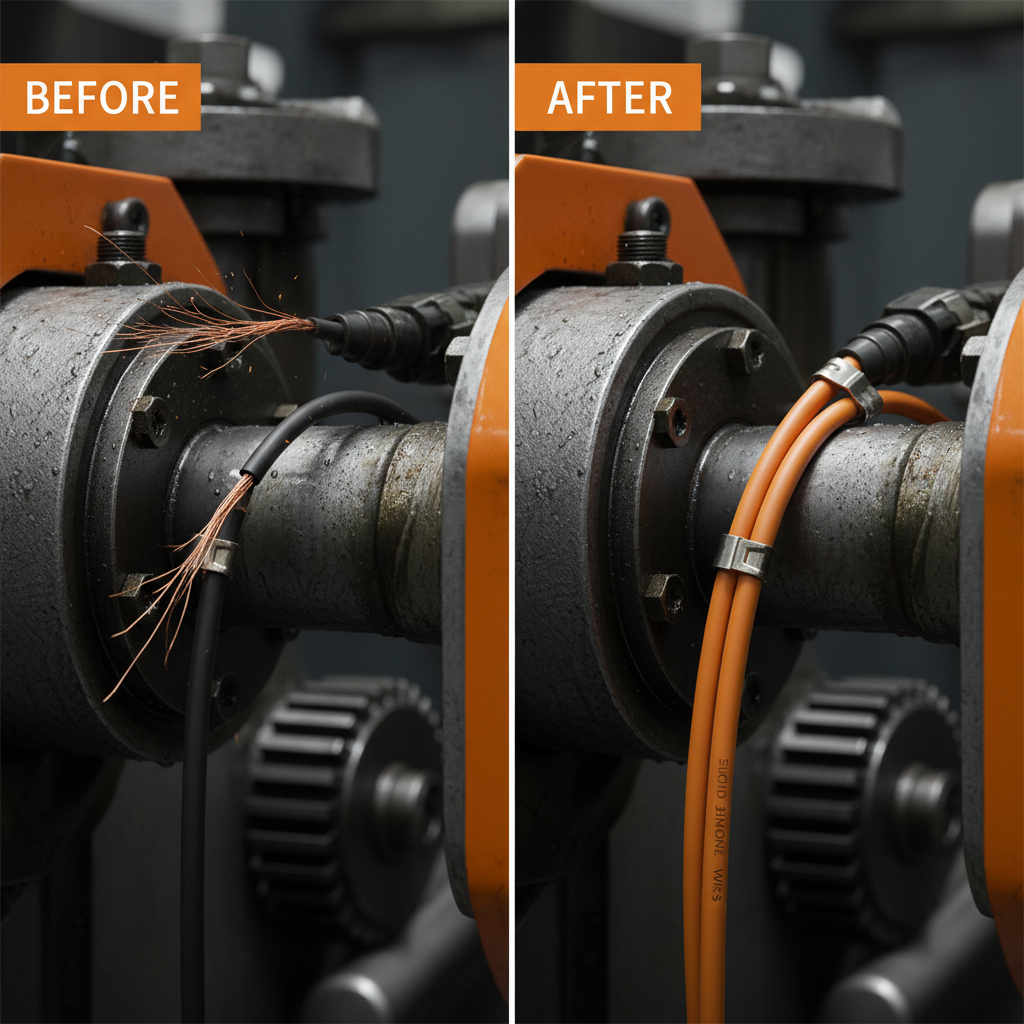
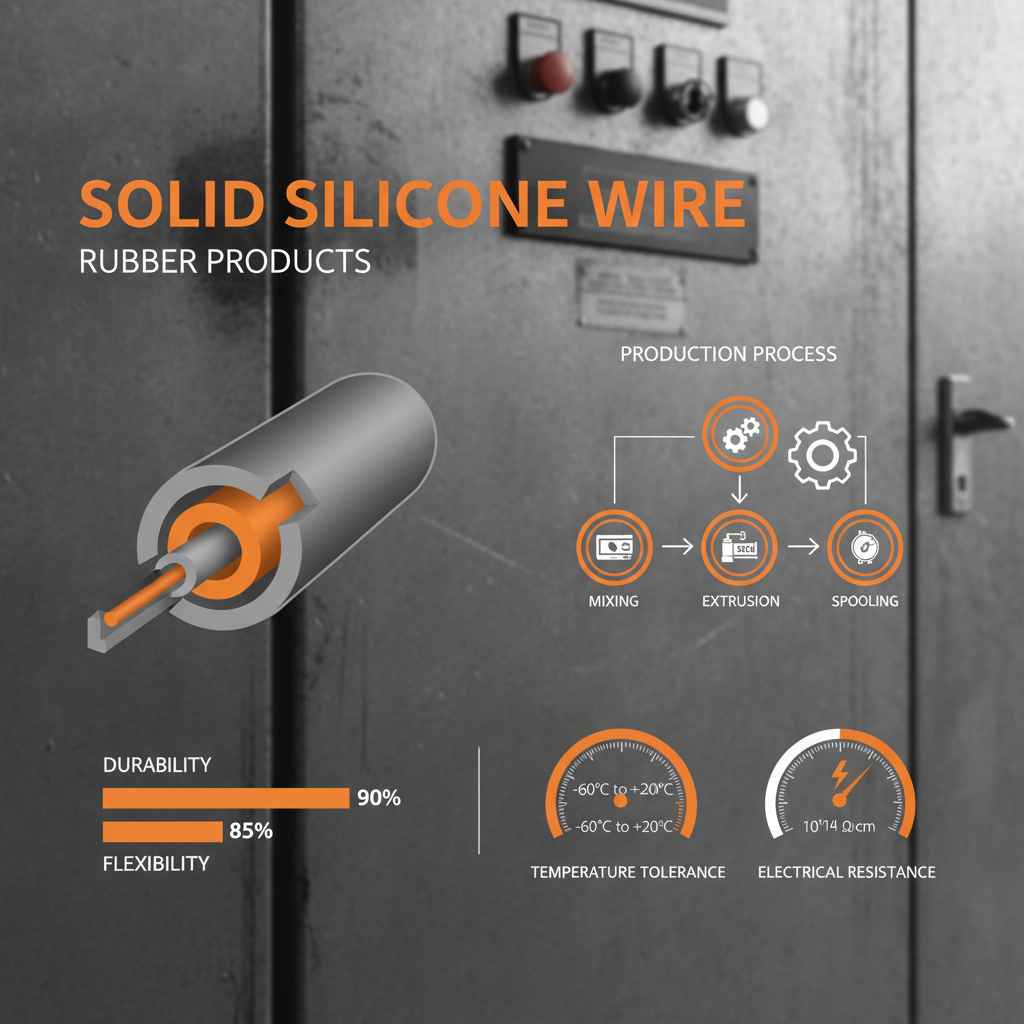
Solid silicone wire is constructed from one single strand of silicone rubber, unlike stranded wire which consists of multiple strands twisted together. This construction offers several advantages. The solid core provides enhanced rigidity and shape retention, making it ideal for applications where a precise form is needed. Furthermore, silicone rubber itself exhibits exceptional resistance to extreme temperatures (typically -60°C to +200°C), chemicals, oils, and UV radiation. It's also a naturally flexible material, allowing for easy routing and installation in tight spaces. This makes silicone wire a superior alternative to PVC or other plastic-based wires in demanding environments.
Key Benefits: High temperature resistance, excellent flexibility, chemical resistance, UV resistance, and long-lasting durability.
The unique properties of solid silicone wire lend themselves to a diverse range of applications. In the robotics and remote control (RC) hobbyist world, it's widely used for motor connections and power distribution due to its flexibility and ability to withstand repeated bending. The automotive industry utilizes it in wiring harnesses for sensors and other components that are exposed to high temperatures and harsh conditions. Medical device manufacturers rely on its biocompatibility and heat resistance for internal wiring. Other common applications include lighting, model trains, drones, and various industrial equipment. Essentially, any application requiring reliable electrical connectivity in extreme conditions can benefit from using solid silicone wire.
Common Industries Utilizing Solid Silicone Wire:
• Robotics
• Automotive
• Medical Devices
• Aerospace
• Industrial Automation
While both solid and stranded wires serve the same basic function, they differ significantly in their characteristics and suitability for various applications. Solid wire, as mentioned, offers greater rigidity and simpler connections, particularly for breadboarding or terminal block applications. Stranded wire, however, is more flexible and resistant to fatigue caused by repeated bending, making it preferable for applications involving movement or vibration. Furthermore, stranded wire generally has a larger current-carrying capacity due to its increased surface area. The choice between the two depends on the specific requirements of the project.
Selecting the appropriate gauge (wire thickness) is vital for safe and efficient operation. The gauge determines the wire's current-carrying capacity and voltage drop. Higher gauge numbers indicate thinner wires with lower current capacity. Conversely, lower gauge numbers correspond to thicker wires that can handle higher currents. The current requirements of your application, the length of the wire run, and the desired voltage drop will dictate the necessary gauge. GYF Silicone offers a wide range of gauges to suit diverse projects.
Solid silicone wire represents a superior solution for numerous electrical applications where reliability, flexibility, and resistance to extreme conditions are paramount. Whether you're working on robotics projects, automotive wiring, or medical devices, choosing high-quality silicone wire from a trusted supplier like GYF Silicone ensures optimal performance and longevity. Invest in the right wire, and you'll build a more robust and dependable project.
GYF Silicone's solid silicone wire generally operates effectively within a temperature range of -60°C to +200°C (-76°F to +392°F). However, it’s important to consult the specific datasheet for the particular product, as variations may exist based on the exact formulation and intended application. Prolonged exposure to temperatures exceeding these limits may affect the wire's flexibility and lifespan.
Yes, solid silicone wire is well-suited for outdoor use due to its excellent resistance to UV radiation, moisture, and temperature fluctuations. However, it's crucial to select a wire with appropriate UV protection and ensure proper installation to prevent damage from mechanical stress. The wire should also be shielded from direct sunlight for extended periods when possible to maximize its lifespan.
Determining the correct gauge involves considering the current (amps) your application requires, the length of the wire run, and the acceptable voltage drop. Longer wire runs and higher currents necessitate thicker wires (lower AWG numbers) to minimize voltage loss and prevent overheating. Online wire gauge calculators are available, or you can consult with an electrical engineer or the technical support team at GYF Silicone for assistance.
Silicone wire is generally easy to work with due to its flexibility. However, it can be slightly more challenging to strip than PVC wire, requiring a sharp wire stripper and a careful technique to avoid damaging the conductor. Proper crimping or soldering techniques are essential for secure connections. With a little practice, it becomes quite manageable.
Long Service Life Pneumatic Diaphragm Pump Silicone Rubber Diaphragm
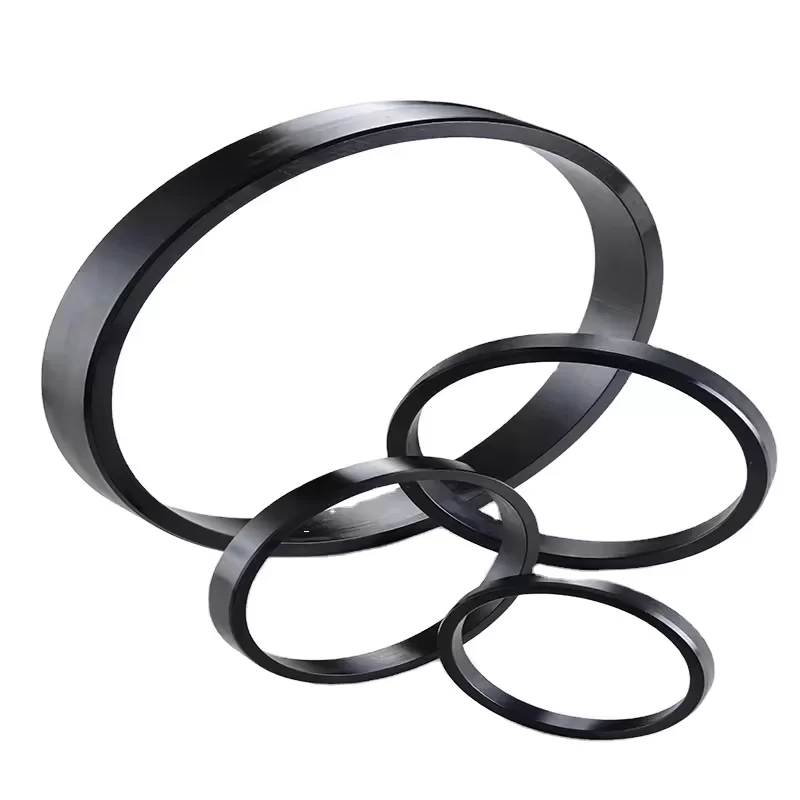
Rubber SealNBR Ring for Hydraulic Cylinders Piston
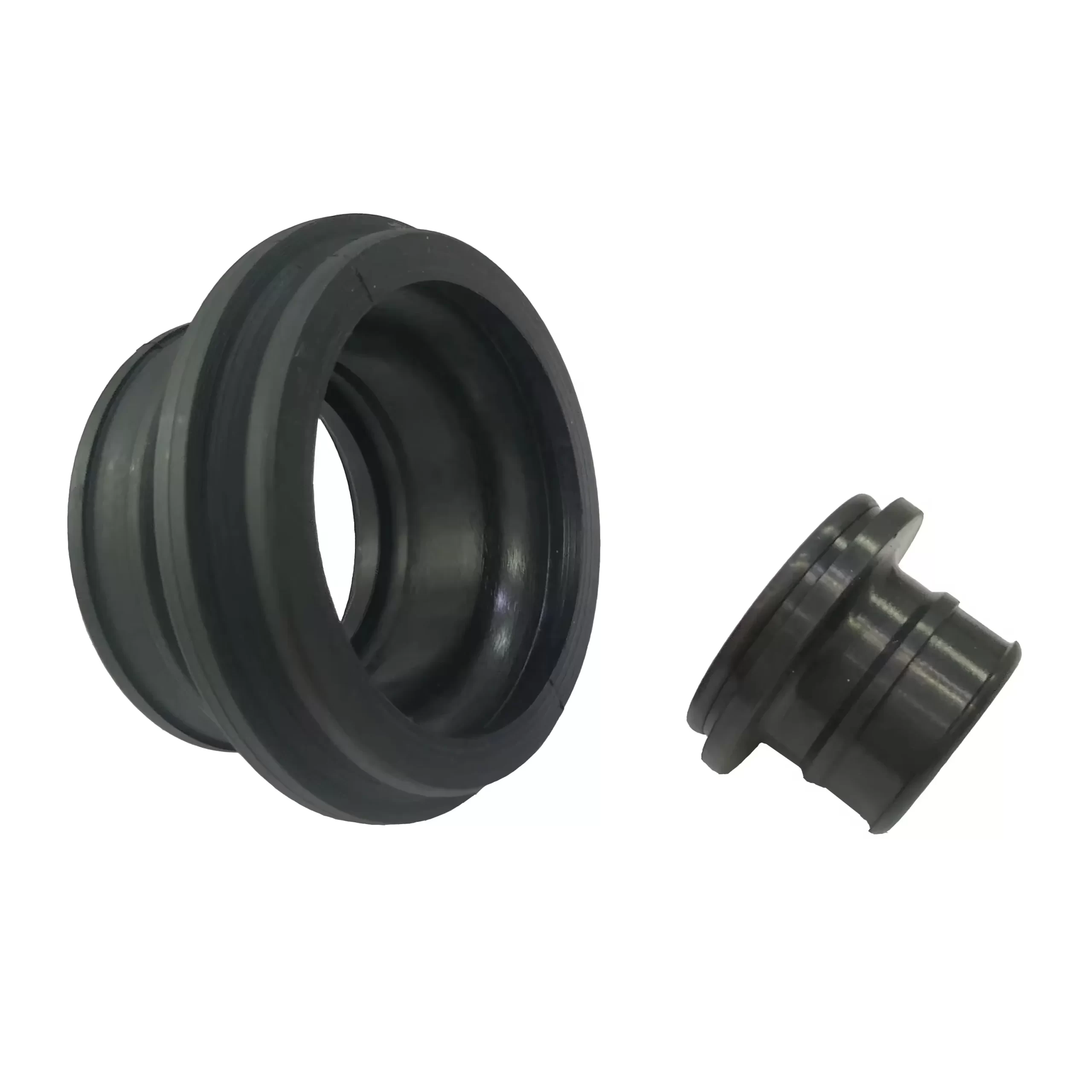
Similar MONO Progressive Cavity Pump Pin Seal
Apr 17, 2026
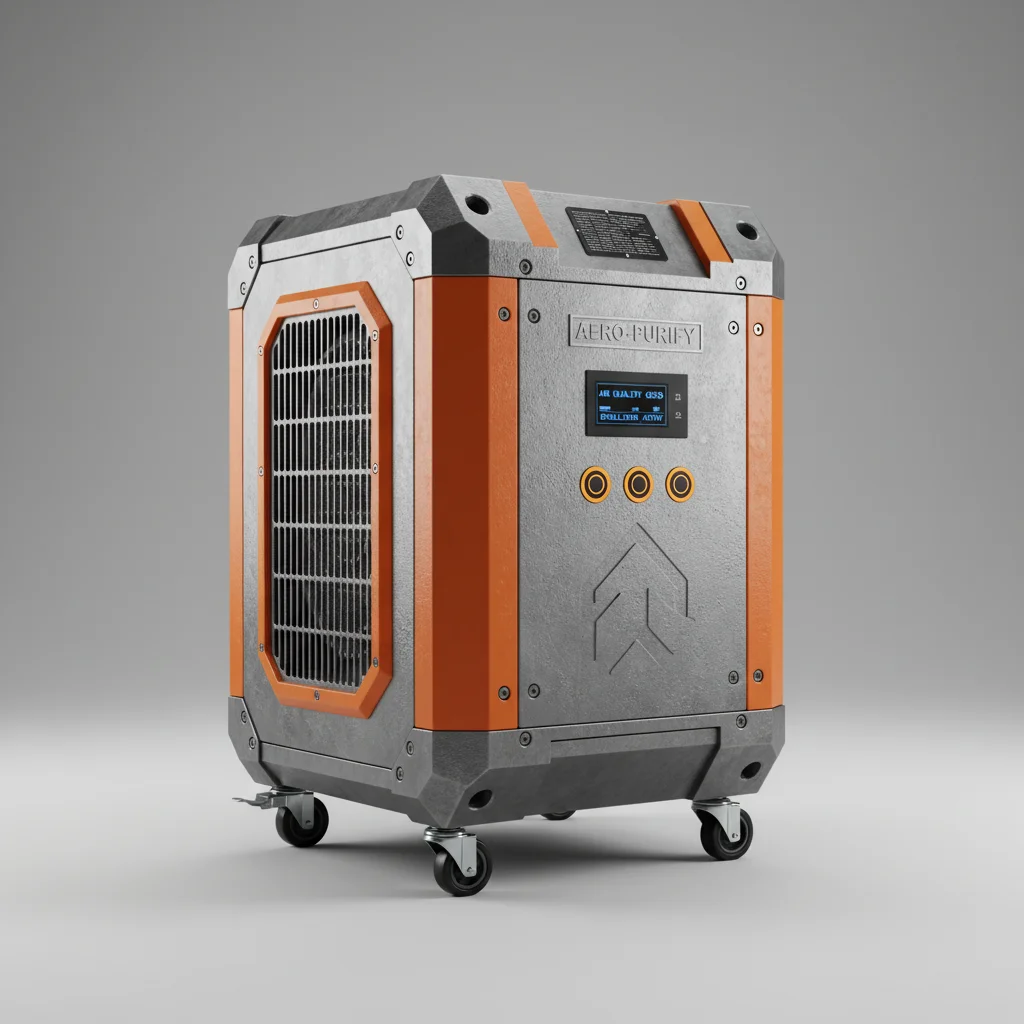
Advanced Air Sterilization Machine for Indoor Air Quality and Safety