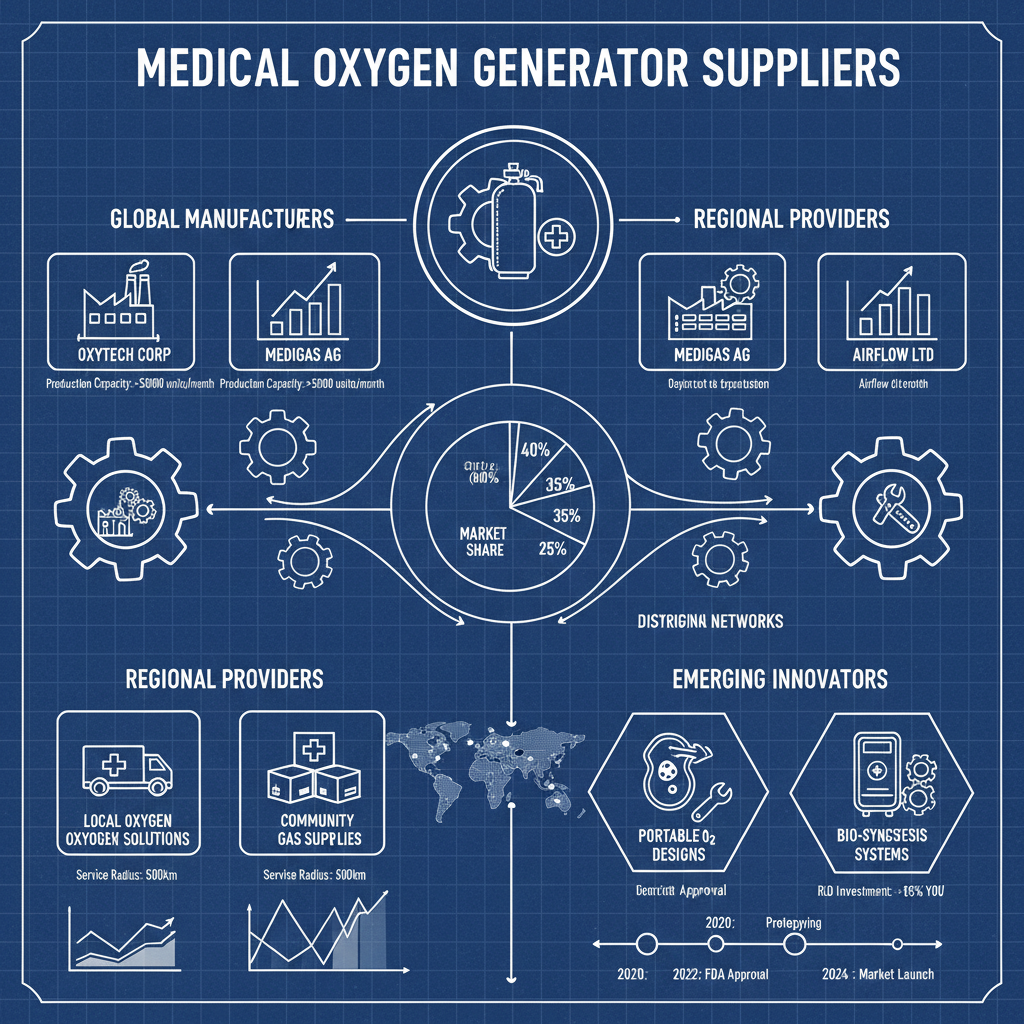
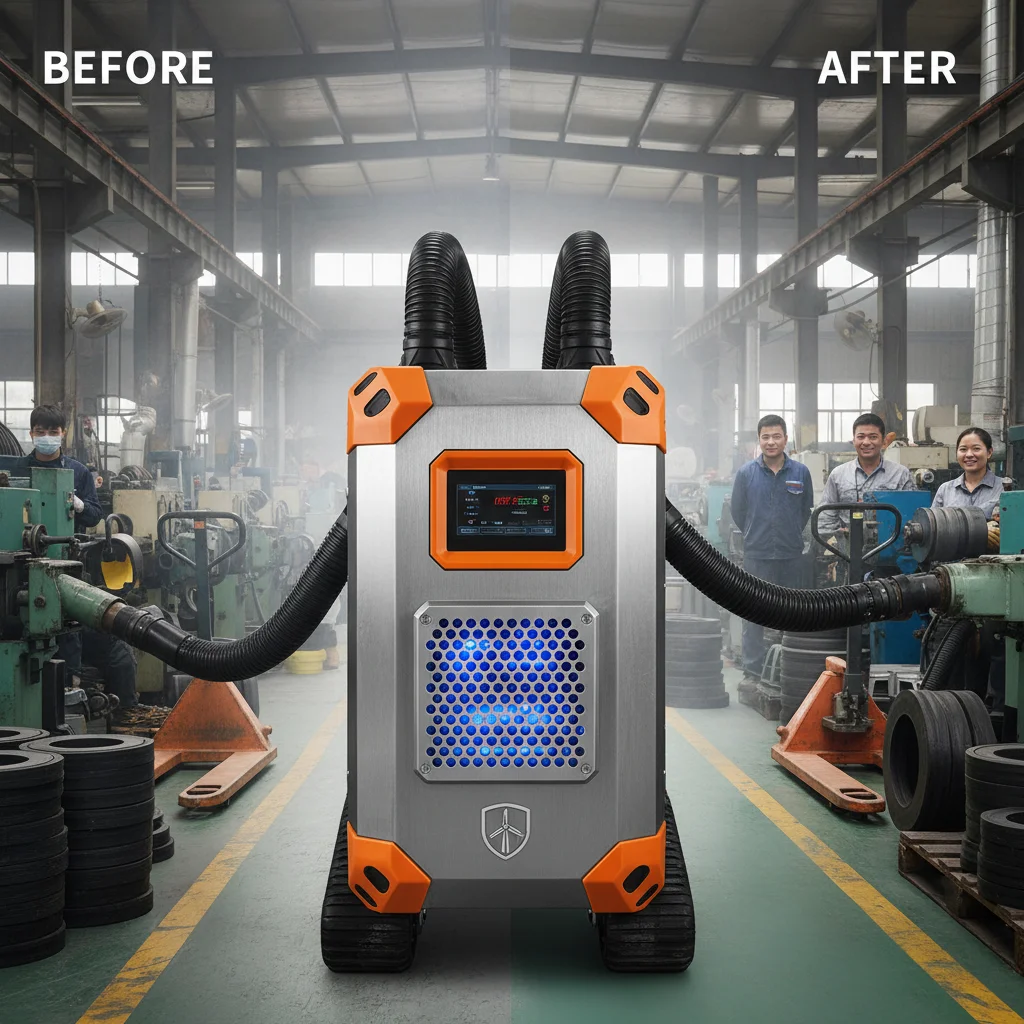
Medical oxygen generator suppliers are increasingly vital in a world facing growing healthcare demands and unpredictable global events. These suppliers provide essential equipment for hospitals, clinics, and emergency response teams, ensuring a consistent and reliable source of life-saving oxygen. The advancements in oxygen generation technology, coupled with the increasing need for self-sufficiency in medical resources, have propelled the growth of this critical industry. Understanding the nuances of these suppliers, their capabilities, and the quality of their products is paramount for healthcare providers and governments alike.
The global healthcare landscape is undergoing significant transformation, driven by factors such as aging populations, rising chronic disease prevalence, and the need for efficient and cost-effective healthcare solutions. Medical oxygen generator suppliers play a crucial role in addressing these challenges by offering alternatives to traditional oxygen delivery methods like compressed gas cylinders. This shift is not only driven by cost considerations but also by the environmental benefits and enhanced safety features associated with on-site oxygen generation.
The demand for reliable medical oxygen has never been higher, particularly in light of recent global health crises. Consequently, the ability to quickly and effectively source high-quality oxygen generators and dependable ongoing support from medical oxygen generator suppliers is a matter of life and death. This emphasizes the importance of evaluating potential partners based on their expertise, product quality, and commitment to service.
Introduction to Medical Oxygen Generator Suppliers
Medical oxygen generator suppliers are companies specializing in the design, manufacture, installation, and maintenance of systems that produce oxygen directly from the air. These systems, often utilizing Pressure Swing Adsorption (PSA) or membrane technology, provide a consistent and cost-effective alternative to traditional oxygen supply methods. Choosing a reliable supplier is crucial for hospitals, clinics, and other healthcare facilities to ensure uninterrupted access to this essential medical gas.
The role of these suppliers extends beyond simply providing equipment; they offer complete solutions including system design, installation, training, and ongoing technical support. A reputable medical oxygen generator supplier will also prioritize adherence to international quality standards and regulatory compliance, ensuring the safety and efficacy of their products. Finding the right partner means selecting one with a proven track record and a commitment to long-term customer satisfaction.
Defining Medical Oxygen Generator Suppliers
Medical oxygen generator suppliers are entities that provide on-site oxygen production systems to healthcare facilities and industrial users. Unlike companies that deliver compressed oxygen in tanks, these suppliers offer equipment that extracts oxygen directly from the surrounding air, typically through Pressure Swing Adsorption (PSA) or membrane separation technologies. This approach delivers medical-grade oxygen with purity levels meeting stringent industry standards.
The connection to modern industry and humanitarian needs is profound. Hospitals rely on a constant oxygen supply for patient care, while emergency response teams utilize portable oxygen generators in disaster relief scenarios. Industries such as metal fabrication, welding, and chemical processing also benefit from on-site oxygen generation, reducing transportation costs and increasing operational efficiency.
These suppliers often provide comprehensive services beyond the sale of equipment. This includes system design, installation, operator training, preventative maintenance, and ongoing technical support. A full-service supplier ensures the continuous, reliable, and safe operation of the oxygen generation system, minimizing downtime and maximizing its lifespan.
Core Components and Key Factors
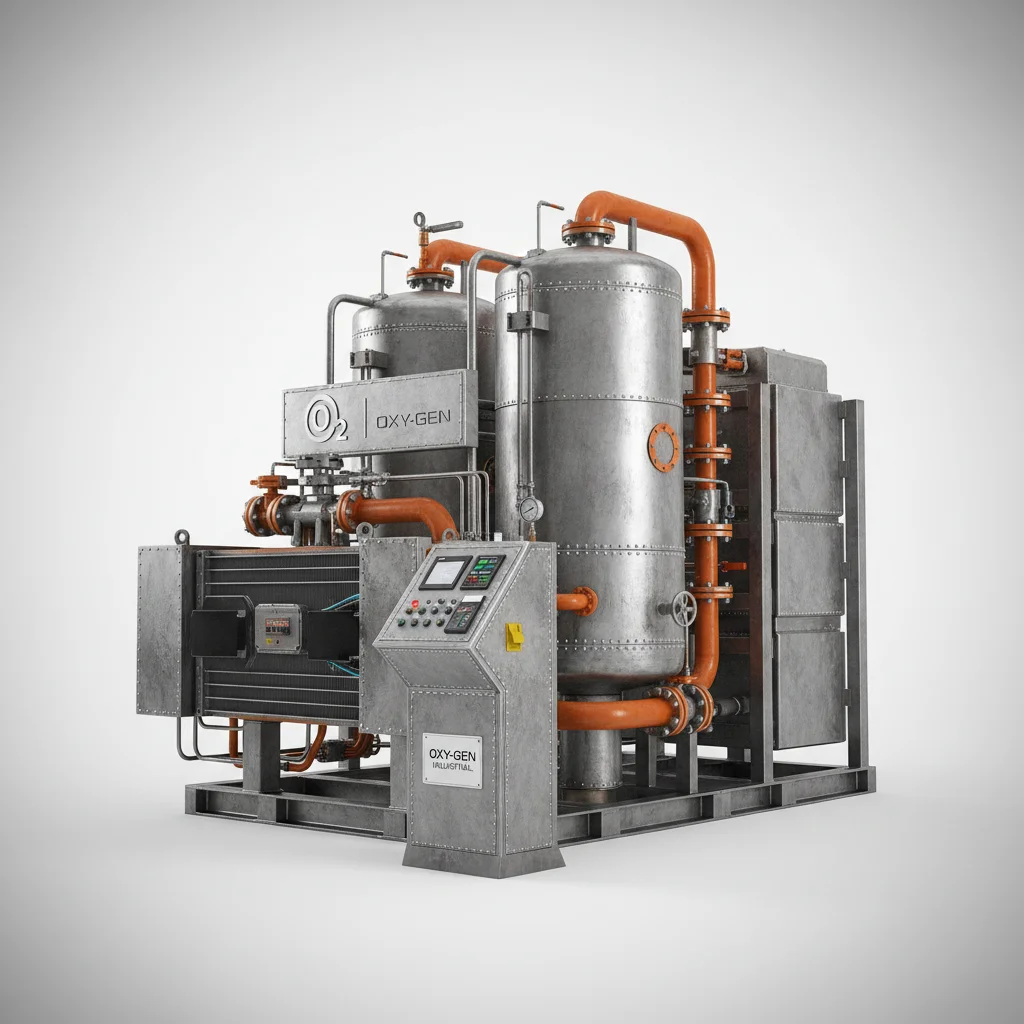
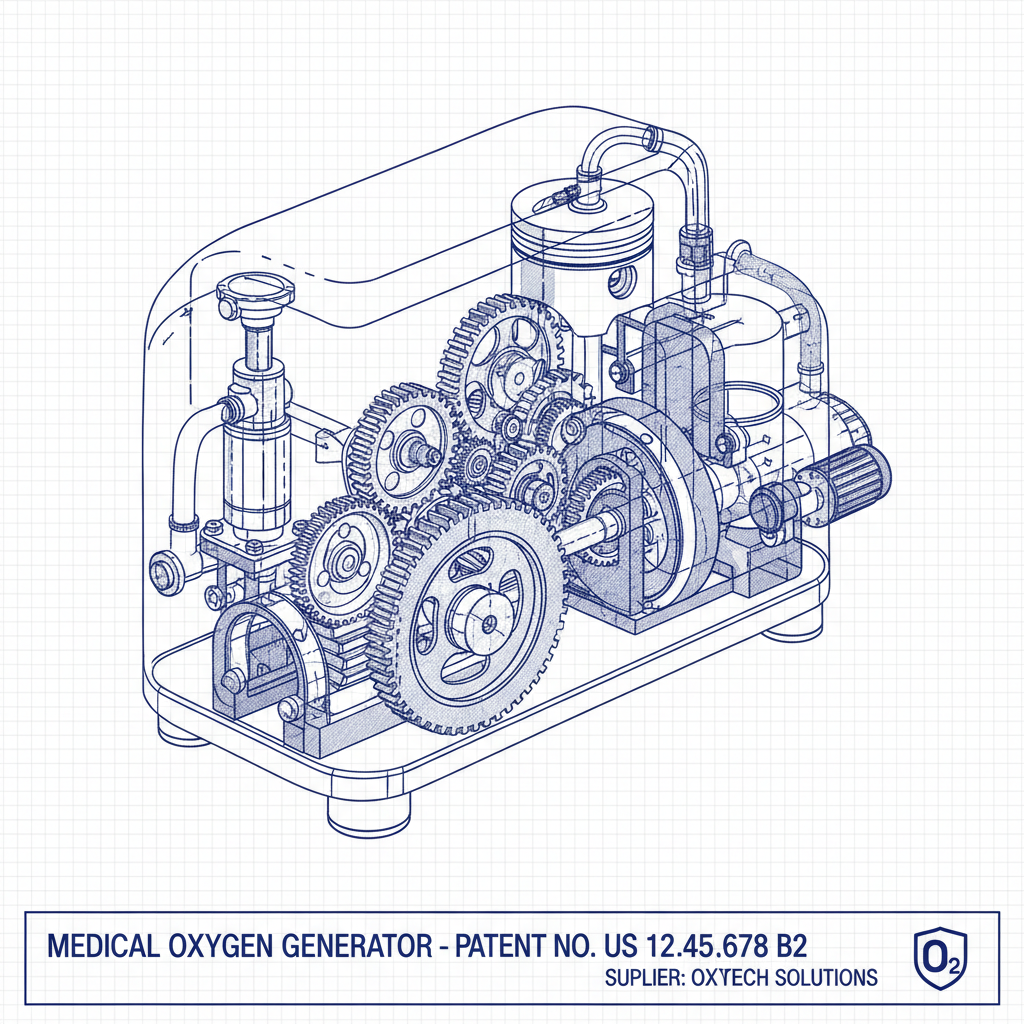
Several core components are critical to the performance and reliability of medical oxygen generators. These include the air compressor, which draws in and compresses ambient air; the air filtration system, which removes dust, oil, and other contaminants; the adsorption or membrane separation module, which separates oxygen from nitrogen and other gases; and the oxygen purity monitoring system, which ensures the oxygen meets medical-grade specifications.
Key factors in evaluating medical oxygen generator suppliers include durability, scalability, cost efficiency, maintenance requirements, and adherence to international standards like ISO 13485. Durability ensures long-term operational reliability, while scalability allows the system to adapt to changing oxygen demands. Cost efficiency considers not only the initial purchase price but also the ongoing operational and maintenance costs.
The ability of a supplier to provide responsive technical support and readily available spare parts is also paramount. A dependable supplier will offer comprehensive maintenance plans and prompt assistance to minimize downtime and ensure continuous oxygen supply. Regular maintenance and calibration are essential for maintaining optimal performance and complying with regulatory requirements.
Global Applications and Use Cases
Medical oxygen generator suppliers serve a diverse range of applications across the globe. In hospitals and clinics, they provide a continuous and reliable oxygen supply for patient respiratory support, anesthesia, and surgical procedures. Emergency medical services utilize portable oxygen generators for on-site treatment during accidents and disasters.
In remote industrial zones, where access to traditional oxygen supplies may be limited, on-site oxygen generation provides a cost-effective and convenient solution for welding, cutting, and other industrial processes. Furthermore, in post-disaster relief operations, rapid deployment oxygen generators are critical for providing life-saving oxygen to injured individuals in the immediate aftermath of a crisis.
Developing nations often benefit significantly from on-site oxygen generation, reducing reliance on expensive and logistically challenging oxygen cylinder deliveries. Organizations like the World Health Organization (WHO) actively promote the adoption of oxygen therapy and support the implementation of oxygen generation systems in resource-limited settings.
Medical Oxygen Generator Suppliers – Technology Comparison
Advantages and Long-Term Value
The advantages of utilizing medical oxygen generator suppliers are numerous. Cost savings are significant, as on-site generation eliminates the recurring expense of purchasing and transporting oxygen cylinders. Furthermore, it enhances safety by reducing the risks associated with handling and storing compressed gases. Reliability is also improved, ensuring a continuous oxygen supply independent of external logistics.
From a sustainability perspective, on-site generation minimizes the environmental impact associated with transportation and cylinder disposal. The long-term value extends beyond financial benefits, contributing to improved patient care and operational efficiency. The peace of mind knowing a consistent oxygen supply is available is invaluable, especially in critical care settings.
Future Trends and Innovations
The future of medical oxygen generator suppliers is being shaped by several key trends. The integration of smart technology and remote monitoring systems is enabling predictive maintenance and optimized performance. Advances in membrane technology are leading to more compact and energy-efficient oxygen generators.
Increased focus on green energy solutions is driving the development of oxygen generators powered by renewable sources. Automation and robotics are being implemented to streamline manufacturing processes and reduce production costs. Furthermore, the growing emphasis on sustainability is prompting the development of environmentally friendly materials and recycling programs.
Challenges and Solutions for Medical Oxygen Generator Suppliers
One common challenge for medical oxygen generator suppliers is maintaining oxygen purity levels within strict regulatory limits. This requires meticulous quality control, regular maintenance, and adherence to established protocols. Another challenge is ensuring reliable performance in harsh environments or remote locations.
Solutions include implementing advanced filtration systems, utilizing robust and corrosion-resistant materials, and offering comprehensive training programs for operators. Developing remote monitoring capabilities allows for proactive identification and resolution of potential issues. Furthermore, collaborating with healthcare facilities to develop customized solutions tailored to their specific needs is crucial.
Addressing the need for skilled technicians capable of servicing these complex systems is also essential. Suppliers can invest in training programs and provide ongoing technical support to ensure the long-term performance and reliability of their equipment.
Summary of Key Challenges and Solutions for Medical Oxygen Generator Suppliers
| Challenge Area |
Specific Challenge |
Proposed Solution |
Implementation Cost (1-10) |
| Purity Control |
Maintaining Medical Grade Oxygen Purity |
Advanced Filtration & Monitoring Systems |
7 |
| Reliability |
Performance in Harsh Environments |
Durable Materials & Environmental Shielding |
6 |
| Maintenance |
Preventative Maintenance Scheduling |
Remote Monitoring & Predictive Analytics |
8 |
| Skilled Labor |
Shortage of Qualified Technicians |
Comprehensive Training Programs |
5 |
| Supply Chain |
Component Sourcing Delays |
Diversified Supplier Network & Stockpiling |
4 |
| Regulatory Compliance |
Changing Safety Standards |
Proactive Compliance Updates & Documentation |
9 |
FAQS
The typical lifespan of a medical oxygen generator is between 10 to 15 years, with proper maintenance and regular servicing. Factors influencing lifespan include the quality of the components, the operating environment, and the frequency of use. Routine filter replacements, compressor maintenance, and system calibrations are crucial for maximizing longevity. A well-maintained system can often exceed the expected lifespan, providing a strong return on investment for healthcare facilities.
Regular maintenance is essential for optimal performance. This includes daily checks of oxygen purity, monthly filter replacements, annual compressor servicing, and periodic calibration of sensors. A comprehensive preventative maintenance plan, ideally provided by the supplier, helps identify and address potential issues before they lead to costly downtime. Proper maintenance ensures the system consistently delivers medical-grade oxygen and remains compliant with safety regulations.
While the initial investment for an oxygen generator is higher, the long-term costs are typically lower than continuously purchasing liquid oxygen. Liquid oxygen requires ongoing expenses for delivery, storage tank rental, and handling. Oxygen generators eliminate these costs, providing a consistent and cost-effective oxygen supply. The payback period for the investment varies depending on oxygen consumption rates and local liquid oxygen prices.
Medical oxygen generators incorporate several safety features, including oxygen purity monitoring, automatic shutdown systems in case of malfunction, and pressure relief valves. Systems are designed to prevent oxygen enrichment, which can create a fire hazard. Reputable suppliers ensure their generators meet stringent safety standards and regulatory requirements, protecting both patients and healthcare staff.
While operation is relatively straightforward, a basic understanding of the system is necessary. Suppliers typically provide comprehensive training to healthcare staff on system operation, maintenance procedures, and troubleshooting. For more complex maintenance and repairs, qualified technicians are required. Establishing a partnership with a reliable supplier offering ongoing technical support is crucial for ensuring long-term operational efficiency.
Yes, there are significant environmental benefits. Oxygen generators eliminate the need for transporting oxygen in cryogenic tanks, reducing carbon emissions and the associated environmental impact. The on-site generation also reduces waste associated with empty oxygen cylinders. This contributes to a more sustainable healthcare system and reduces the overall carbon footprint.
Conclusion
In conclusion, medical oxygen generator suppliers provide a critical service to healthcare facilities and various industries worldwide. The benefits – including cost savings, enhanced safety, improved reliability, and environmental sustainability – make them an increasingly attractive alternative to traditional oxygen supply methods. Investing in a high-quality oxygen generation system, coupled with a strong partnership with a reputable supplier, is a strategic decision that supports both operational efficiency and patient care.
Looking ahead, continued innovation in oxygen generation technology, coupled with a growing emphasis on sustainability, will further solidify the role of these suppliers in the healthcare landscape. Healthcare providers should carefully evaluate their oxygen needs and explore the potential benefits of on-site generation to ensure a reliable, cost-effective, and environmentally responsible oxygen supply. To learn more about our solutions and how we can support your oxygen needs, visit our website: medical oxygen generator suppliers.